
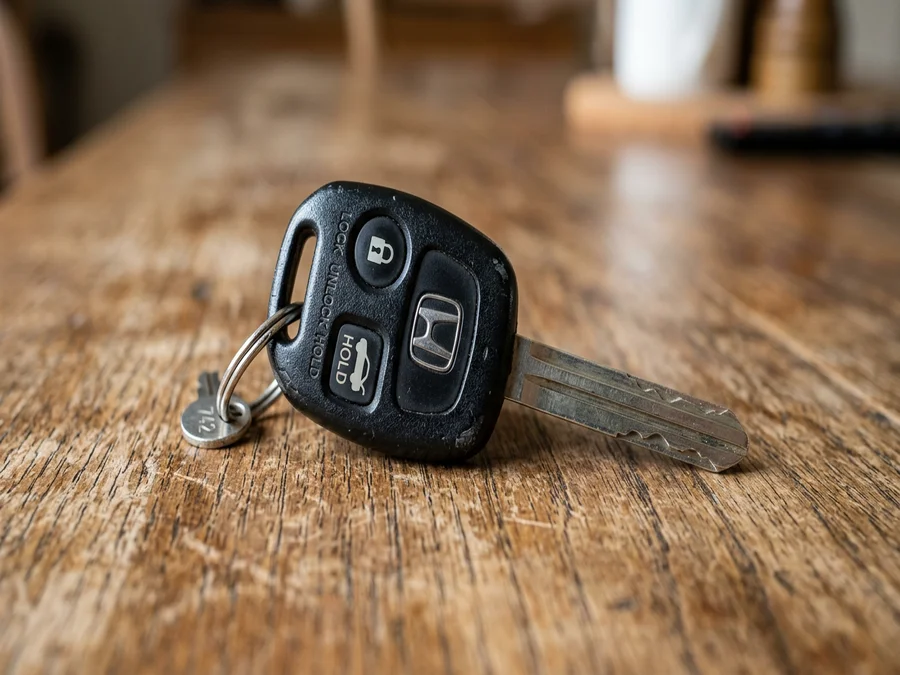
Fixed-code transponder keys
Common on late-1990s and early-2000s vehicles. These chips broadcast a single static code and can often be cloned from an original. We read the chip and duplicate it to a new key on the spot.
 "
alt="J&M Locksmith Automotive locksmith technician at work in Atlanta, GA"
data-codex-img="service-transponder-keys-hero.webp"
width="1672" height="940"
fetchpriority="high" decoding="async">
"
alt="J&M Locksmith Automotive locksmith technician at work in Atlanta, GA"
data-codex-img="service-transponder-keys-hero.webp"
width="1672" height="940"
fetchpriority="high" decoding="async">
Automotive locksmith
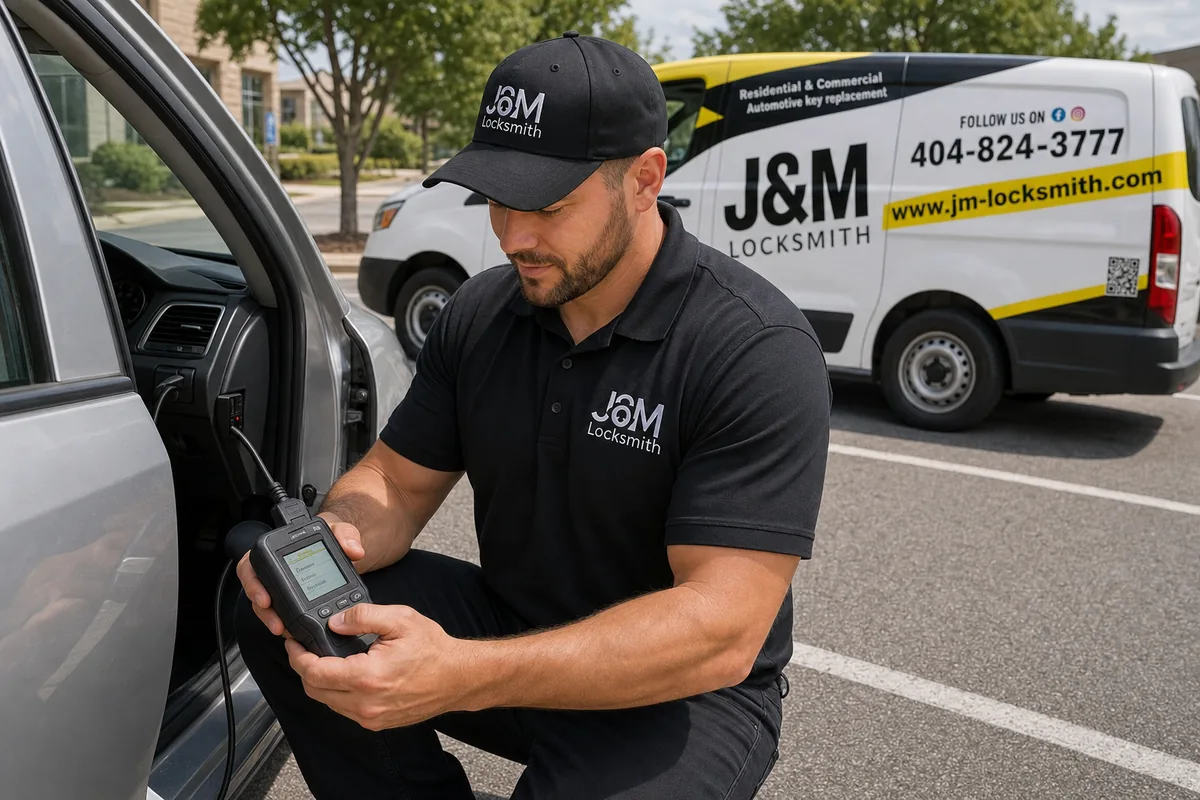
Hardware-store copy turned the lock but the car would not start? That is the immobilizer chip. We handle the chip side on site.
Transponder key help
A transponder key looks like a regular car key but carries a small radio-frequency chip sealed inside the plastic head. When you turn the ignition, the car's receiver sends a signal to the chip; if the chip returns the correct code, the immobilizer releases and the engine starts. A key cut at a hardware store copies the blade perfectly but cannot clone the chip, so the blade turns the ignition cylinder and nothing else happens.
We handle both halves of the job: cut the blade to your locks and program the chip to your car's immobilizer. We carry the cutting machines and the programming interfaces to do it right in your driveway, for most makes sold in the U.S. from the late 1990s onward.
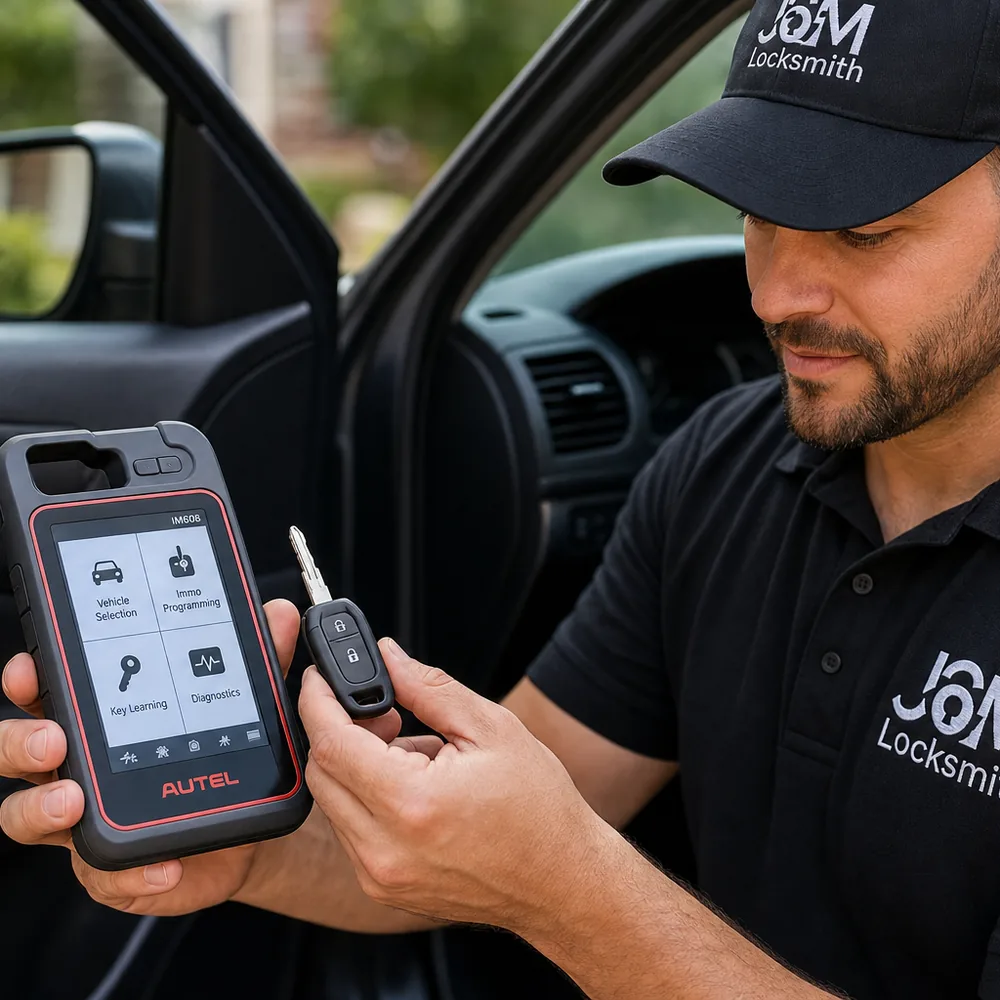
The immobilizer is an anti-theft system that lives inside the car and communicates with the transponder chip in your key. Every time you start the car, the system checks that the chip in the key matches the list of authorized chips stored in the ECU. If it does not match, the immobilizer cuts fuel or ignition and the engine will not fire, even if the blade fits the cylinder perfectly.
This is why a locksmith who only cuts keys cannot fix a transponder problem. The chip has to be registered to your specific vehicle. That registration step is the core of what we do, and it requires the right interface equipment and, in many cases, NASTF authorization to access manufacturer key-code data.
Cloning copies the cryptographic ID from an existing working chip onto a blank transponder chip. It is fast and does not require connecting to the vehicle at all. Cloning works when you still have at least one original key to read from, and the transponder type is clonable. Many older fixed-code systems are. Newer rolling-code systems, and anything using crypto-locked chips, are not clonable and require full programming.
Programming goes directly into the car's immobilizer or ECU and registers a new chip ID as an authorized key. It is the method used for all-keys-lost situations and for most vehicles made after about 2010. When we arrive we determine which method applies to your car, use the right one, and test the result before we leave.
Losing every transponder key to a car is more involved than adding a spare. The immobilizer has to be told to forget the old authorized chips and accept new ones, and on many makes that requires going deeper into the ECU than OBD-port programming allows. That is where EEPROM-level access comes in: we read the security module directly, extract or reset the key data, and then program new chips from scratch.
Not every automotive locksmith carries the equipment for EEPROM work. We do, which means Atlanta drivers stranded with zero working keys do not automatically have to call a dealer or pay for a tow and a long wait at a service department. Call us first. We will tell you on the phone whether your year and make is something we can handle on site.
What we program
The right approach depends on the chip type in your key and how your vehicle's immobilizer stores authorized keys. When you call, we identify the system by year and make so we arrive with the right equipment.
Common on late-1990s and early-2000s vehicles. These chips broadcast a single static code and can often be cloned from an original. We read the chip and duplicate it to a new key on the spot.
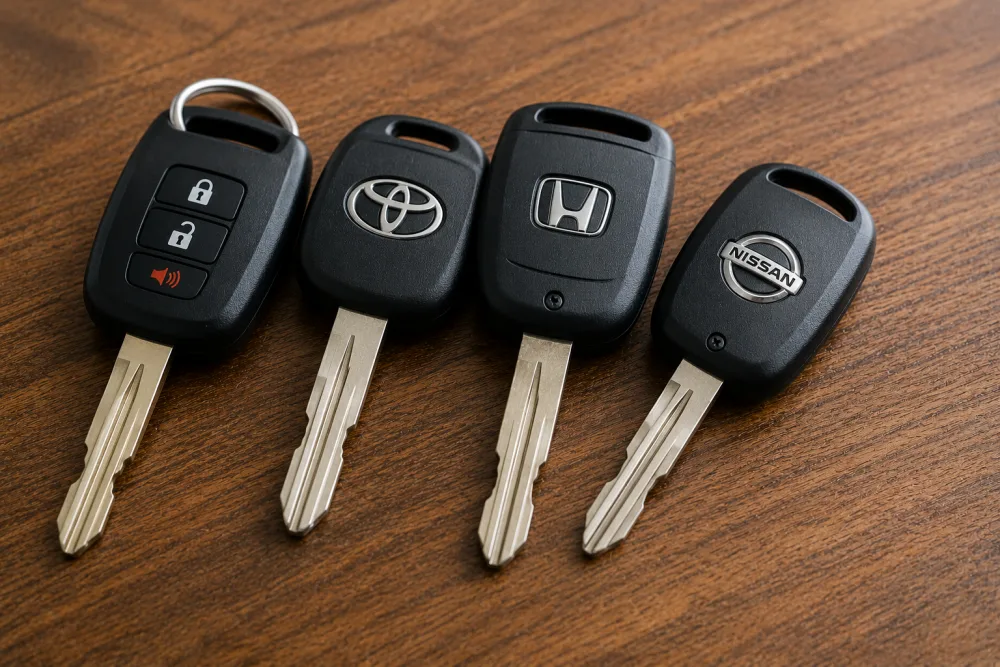
Newer immobilizer systems use encrypted or rolling codes that cannot be cloned. The new key must be registered directly into the vehicle's ECU via OBD port or EEPROM-level access.
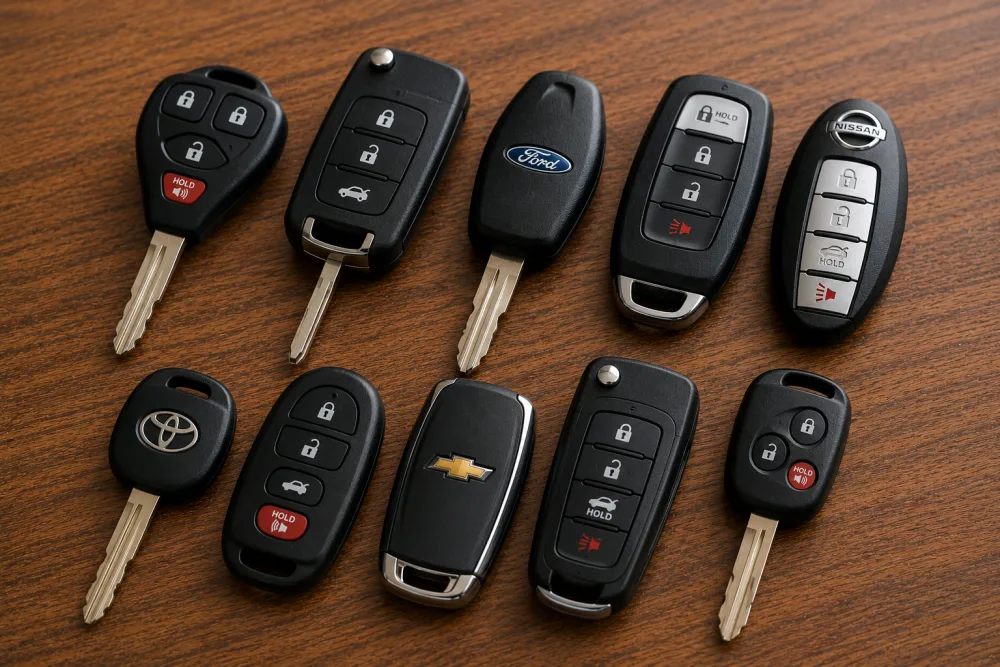
Many vehicles combine a transponder chip and lock or unlock buttons in one key. Both the blade cut and the chip programming have to be done, plus button pairing on most models.
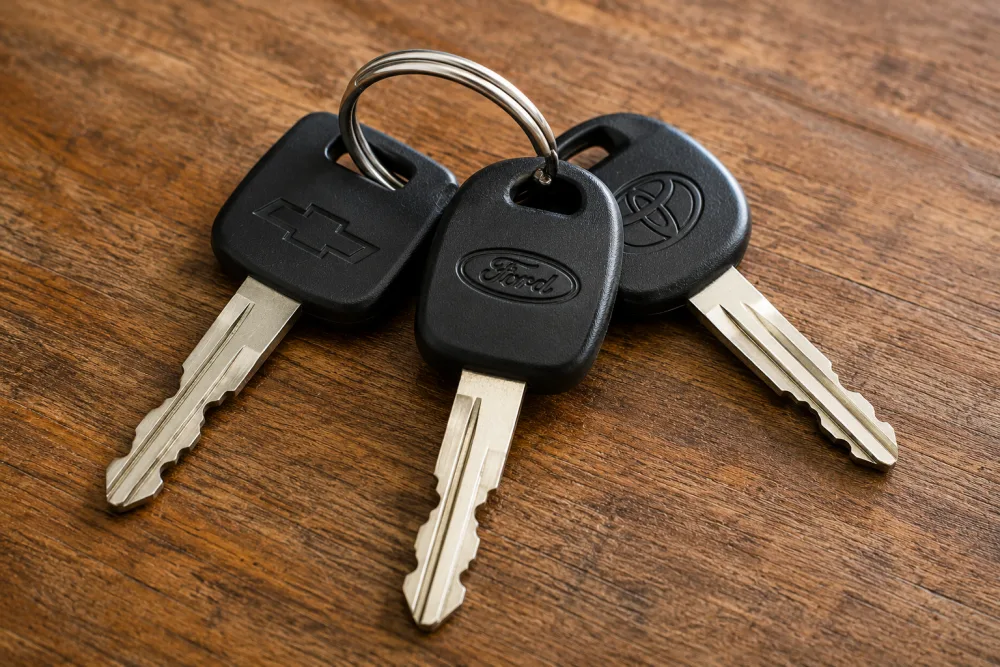
When every transponder key is gone, the immobilizer must be reset to clear old chip IDs and accept new ones. Depending on the make, this requires EEPROM-level access rather than a simple OBD connection.
How it works
We identify the correct transponder type and programming method on the phone so we arrive with the right blank and interface. Ownership is verified before programming begins. You approve the price before we start.
Year, make, model, VIN if available, and whether you have any working transponder key. We identify the chip type and programming method on the call.
Before programming a key to any vehicle we confirm you own it. A quick look at your ID and registration is all it takes.
We explain the method and give you the exact price, trip included, before cutting or programming starts.
We cut the blade, program the chip to your immobilizer, and test the key in the ignition before we leave so you know the car starts.
Cost and options
The price depends on the programming method, not just the key blank. A simple clone from a working original is the most straightforward job. Programming via the OBD port requires vehicle communication equipment and takes more time. EEPROM-level work for all-keys-lost situations or crypto-locked systems is the most involved and costs the most.
We quote the specific job for your year, make, and model on the phone so you know what you are looking at before we dispatch. The quoted price includes the trip, the key blank, and the programming. Nothing gets added at the car.
Final price confirmed before work starts. Exact cost depends on the vehicle, chip type, and programming method required.
Why call J&M
Most key-cutting shops can trace the blade. Very few carry the full stack of equipment needed for rolling-code programming, all-keys-lost EEPROM jobs, and make-specific immobilizer interfaces. J&M Locksmith has been doing automotive chip-key work across Atlanta since 2013, NASTF registered, insured, and mobile so we come to the car instead of you coming to us.
We are honest about what we can handle on site and what requires a dealer. For the vast majority of makes and model years on Atlanta roads, we are the faster, cheaper option. If your vehicle is one of the rare exceptions, we will tell you before we send anyone out.
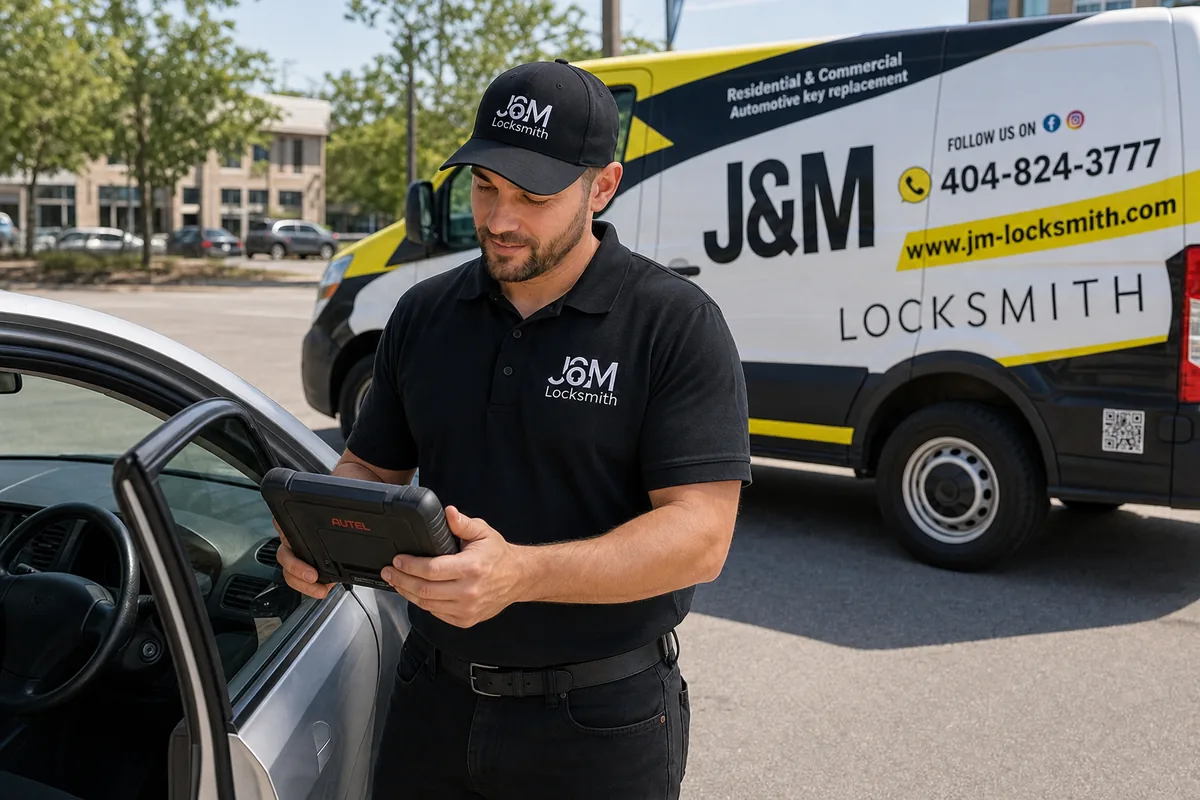
4920 Roswell Rd Suite 42 in Atlanta. In business since 2013, with mobile service across the metro area.
NASTF registered and 1-800-Unlocks verified. Required credentials for accessing manufacturer key-code data on late-model vehicles.
If your vehicle needs dealer-only equipment, we tell you upfront. No guessing, no wasted trip, no charge for a job we cannot finish on site.
Reviews
Real, unedited Google reviews from neighbors across metro Atlanta. Our 4.7-star rating from 203 reviews comes down to two things: we show up fast, and we charge what we quoted.
Service areas
J&M Locksmith is based near the Roswell Road corridor and sends mobile vans throughout Atlanta and nearby communities. Response time depends on traffic, weather, and the job before yours, so call for the most accurate ETA.
Visit our shop
Need keys, lock hardware, or in-person help? Visit J&M Locksmith at 4920 Roswell Rd Suite 42, Atlanta, GA 30342. For lockouts and mobile jobs, call first so we can send a technician directly to you.
FAQ
These answers cover what we hear most. A quick call is still the fastest way to confirm the details for your exact situation.
Because cutting a key only copies the blade shape. Your car also requires the transponder chip inside the key head to match the immobilizer's authorized list. A hardware-store duplicate gets the blade right but cannot copy or program the chip, so the ignition turns and the engine does not fire. We handle both the blade cut and the chip programming.
Cloning reads the chip ID from a working original and copies it to a new blank. It does not touch the car at all. Programming connects to the car's immobilizer or ECU and registers a new chip as authorized. Cloning works for older fixed-code systems when you have an original. Newer rolling-code and crypto-locked chips must be programmed. We tell you which method applies when you call.
Yes, for most makes and model years. An all-keys-lost job requires resetting the immobilizer and registering new chips from scratch. Depending on the vehicle, that means OBD-port programming or EEPROM-level access. We carry the equipment for both. Call with your year, make, and model and we will confirm on the spot.
A cloned spare from a working original typically starts at $95. OBD-port programming starts at $120. All-keys-lost and EEPROM jobs start at $175 to $250 depending on the make. We quote the exact price for your vehicle on the phone, trip included, before we dispatch.
No. We are mobile and come to your location across metro Atlanta, whether that is a driveway in Buckhead, a parking deck in Midtown, or a lot in Sandy Springs or Marietta.
Yes. Clearing old authorized transponder keys from the immobilizer and programming fresh ones is exactly the same process as an all-keys-lost job. We verify you own the vehicle first, then reset the key authorization list so only your new keys will start the car.
All services
We are a full-service locksmith for homes, businesses, and vehicles across metro Atlanta. Whatever the lock, key, or door problem, there is a good chance it falls under one of the categories below, and the same local team handles all of it.
Lockouts, rekeying, new locks, and home security hardware.
View residentialAccess control, master keys, high-security locks, and doors.
View commercialCar keys, lockouts, fobs, transponders, and spare keys.
View automotiveNeed help now?
Tell us what happened and where you are. We will ask the right questions and give you the next step.





